Слон сам по себе внушительный зверь, но драпируйте его в
доспехи, добавьте лезвия к его бивням, посадите пару лучников на спину, и он
превращается из внушительного в ужасающего. Лошади отказываются скакать в их
сторону (доказывая, что они умнее, чем можно было предположить), а это
означало, что кавалерия была бесполезна, а у пехоты была дилемма - стать ли
материалом, на котором слон потопчется или побыстрее сбежать.
Но слонов может заставить паниковать другое животное, и это не
мышь, а свинья. Свиньи визжат, а у слонов большие уши. Александр Великий
впервые использовал эту тактику; а Сципион в Заме поступил иначе. Он использовал
громко трубящие рога, чтобы напугать слонов, в то время как копейщики ранили животных
с относительно безопасного расстояния. Этих ран было достаточно, чтобы
разозлить их, а злой слон растопчет все, что находится поблизости.
Слоны, как и другие животные, боятся огня, поэтому римские
легионы иногда использовали «пылающих военных свиней» в качестве оружия. Спины
свиней покрывали легковоспламеняющимися веществами, и в нужный момент их
поджигали, так что, когда визжащие свиньи пытались избежать пламени, они бежали
прямо на вражеских слонов. Слоны не только слышали, как свиньи вопят, но и
видели, как к ним несется огненное пламя. Результат был таким же, как у
Сципиона с рогами и копьеносцами, но, вероятно, с дополнительным бонусом в виде
большого количества жареного мяса.
Теперь у нас есть довольно хорошее представление о том, на
что похож ад, благодаря средневековым нотам, нарисованным на заднице грешника.
Этот оригинальный вклад в сокровищницу человеческих знаний внесла Амелия, администратор музыкальной и информационной систем в Христианском
университете Оклахомы.
Поздно вечером Амелия и ее друг Люк рассматривали «Сад
земных наслаждений», сюрреалистический триптих Иеронима Босха, когда обнаружили
нечто удивительное:
«... музыка, написанная на задней части одного из замученных
обитателей самой правой панели картины, изображающей ад».
Перестав смеяться, Амелия решила переписать ноты и записать
песню, основываясь на том, что она знала о песнопениях григорианской эпохи. Вот
результат:
Это вдохновило другого хорошего человека превратить работу Аманды в полноценное хоровое произведение.
600-летняя анальная песня стала вирусной, и Амелия сейчас
работает с музыкальным отделом своего колледжа, чтобы улучшить точность
транскрипции. Ждём более полное исследование.
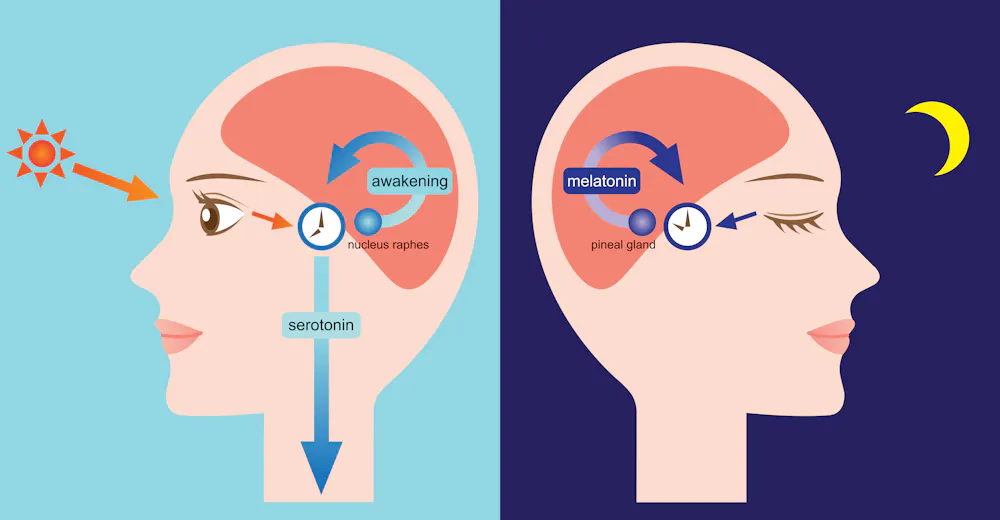
Anyone who has travelled across multiple time zones and suffered jet lag will understand just how powerful our biological clocks are. In fact, every cell in the human body has its own molecular clock, which is capable of generating a daily rise and fall in the number of many proteins the body produces over a 24-hour cycle. The brain contains a master clock that keeps the rest of the body in sync, using light signals from the eyes to keep in time with environment.
Plants have similar circadian rhythms that help them tell the time of day, preparing plants for photosynthesis prior to dawn, turning on heat-protection mechanisms before the hottest part of the day, and producing nectar when pollinators are most likely to visit. And just like in humans, every cell in the plant appears to have its own clock.
Our eyes and brain rely on sunlight to coordinate activity in the body according to the time of day. Yomogi1/Shutterstock
But unlike humans, plants don’t have a brain to keep their clocks synchronised. So how do plants coordinate their cellular rhythms? Our new research shows that all the cells in the plant coordinate partly through something called local self-organisation. This is effectively the plant cells communicating their timing with neighbouring cells, in a similar way to how schools of fish and flocks of birds coordinate their movements by interacting with their neighbours.
Previous research found that the time of the clock is different in different parts of a plant. These differences can be detected by measuring the timing of the daily peaks in clock protein production in the different organs. These clock proteins generate the 24-hour oscillations in biological processes.
For instance, clock proteins activate the production of other proteins that are responsible for photosynthesis in leaves just before dawn. We decided to examine the clock across all the major organs of the plant to help us understand how plants coordinate their timing to keep the entire plant ticking in harmony.
What makes plants tick
We found that in thale cress (Arabidopsis thaliana) seedlings, the number of clock proteins peaks at different times in each organ. Organs, such as leaves, roots and stems, receive different signals from their local micro-environment, such as light and temperature, and use this information to independently set their own pace.
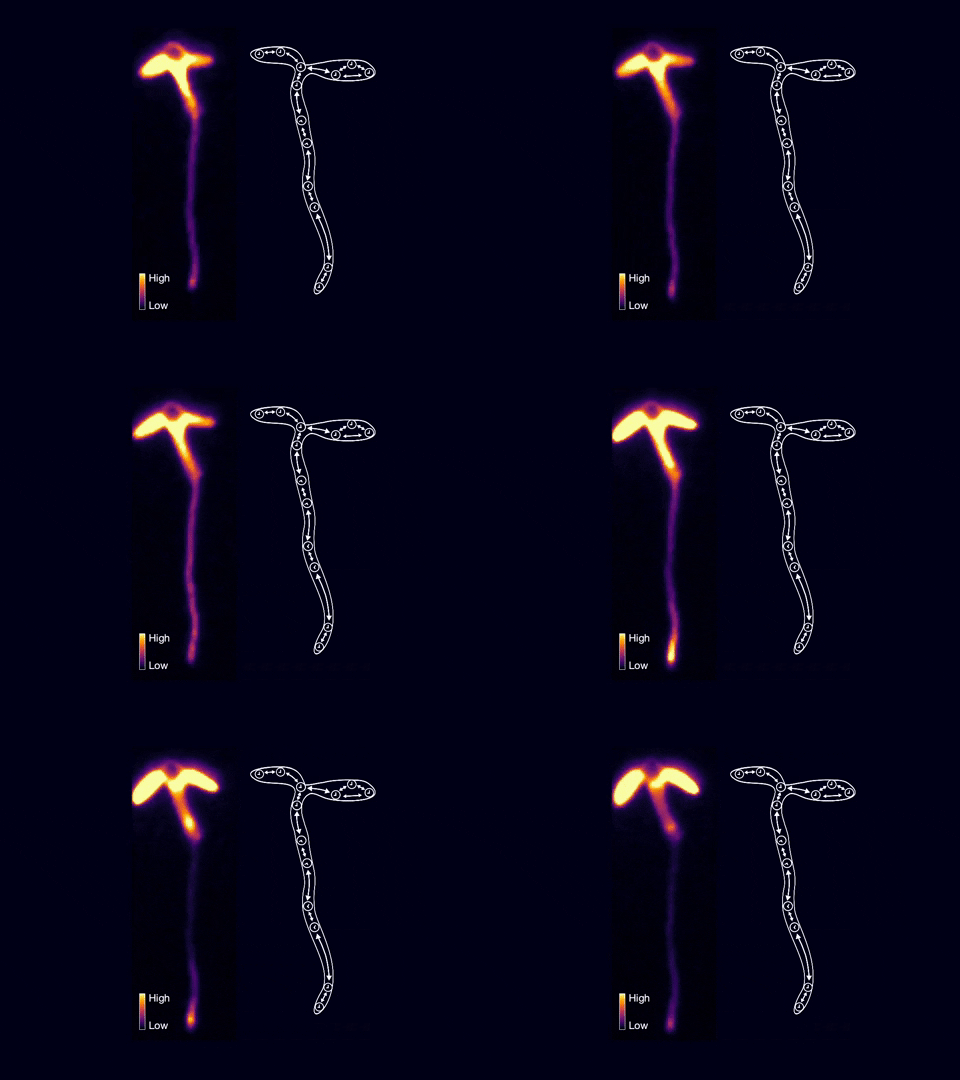
If rhythms in different organs are out of sync, do plants suffer from a kind of internal jet lag? While the individual clocks in different organs peak at different times, this didn’t result in complete chaos. Surprisingly, cells began to form spatial wave patterns, where neighbour cells lag in time slightly behind one another. It’s a bit like a stadium or “Mexican” wave of sports fans standing up after the people next to them to create a wave-like motion through the crowd.
Plant cells communicate between their neighbours to coordinate the time. James Locke, Author provided
Our work shows that these waves arise from the differences between organs as cells begin to communicate. When the number of clock proteins in one cell peaks, the cell communicates this to its slower neighbours, which follow the first cell’s lead and produce more clock proteins too. These cells then do the same to their neighbours, and so on. Such patterns can be observed elsewhere in nature. Some firefly species form spatial wave patterns as they synchronise their flashes with their neighbours.
Local decision-making by cells, combined with signalling between them, might be how plants make decisions without a brain. It allows cells in different parts of the plant to make different decisions about how to grow. Cells in the shoot and root can separately optimise growth to their local conditions. The shoot can bend towards where light is unobstructed and the roots can grow towards water or more nutrient-rich soil. It could also allow plants to survive the loss of organs through damage or being eaten by a herbivore.
This might explain how plants are able to continuously adapt their growth and development to cope with changes in their environment, which scientists call “plasticity”. Understanding how plants make decisions isn’t just interesting, it will help scientists breed new plant varieties that can respond to their increasingly changeable environment with climate change.
В честь Международного года периодической таблицы Д.И.Менделеева Royal Society of Chemistry и Compound Interest создали замечательную инфографику к каждому элементу периодической таблицы.
Перейдя по ссылке, вы можете скачать интересующий вас элемент. Или все...
Calorie-restricted diets have been shown to increase the lifespan and healthspan of everything from yeast to monkeys – as long as there is no malnutrition. And while no long-term studies have proven the benefits of calorie restriction on human lifespan, shorter-term studies suggest that it does improve health. Here’s how it might work.
Our bodies monitor and sense the amount of nutrients available through specific molecules in our cells. Depending on the amount of food we eat, these molecules tweak our metabolism to regulate how we use the available nutrients. One of these molecules is an enzyme called TOR.
When there is a lot of food, the TOR enzyme instructs cells in the body to grow. If there is less food, TOR instructs the body to be on alert - a state that scientists refer to as a “mild stress response”.
Many experiments have shown that when animals eat a lot of food, especially for prolonged periods, TOR senses this and their lifespan becomes shorter. But do all foods have this effect on TOR?
TOR enzyme is especially activated when cells sense large amounts of amino acids (the building blocks of protein) or protein. A protein-restricted diet, without malnutrition, can have the same effects on the metabolism and lifespan of lab animals as a calorie-restricted diet.
Age-related diseases are known to be caused by genetic mutations, but could there be a connection between TOR, nutrition and diseases of old age? We know that nutrition is associated with cancer and heart disease, and overactive TOR is known to be involved in these diseases, but recent studies show that TOR is also directly related to neurodegenerative diseases. For example, the activity of the TOR enzyme in the brains of people with Alzheimer’s is much higher compared with healthy brains. Also, simulating these diseases in mice and other lab animals has shown that removing excess TOR stops brain cells dying.
So there may be a link between what we eat, how it is sensed by our body and the risk of neurodegenerative disease. Scientists are exploring different possibilities to prevent neurodegeneration. If more protein means more active TOR, we could either modify our diet, safely, or develop a drug that tricks our body into thinking it is getting less protein.
Work in many labs, including ours, have shown that caffeine and a drug called rapamycin do exactly that. While cells have abundant protein, their metabolism and lifespan are similar to protein-restricted cells. We are currently investigating this in human neurons and the first results point in the same direction.
Not that simple
Does that mean that we should change our diets and protein intake? What about other nutrients such as sugars? Unfortunately, as expected, things are not that simple. Many other molecules within our bodies are involved in sensing nutrients including carbohydrates, which affect longevity and age-related disease.
This is why we need to be very cautious. First, everyone has different needs for nutrients depending on their developmental stage and age, gender or activity levels – to name only a few important factors. Also, while evidence from the lab using human cells and tissues is piling up, we need large population studies that can record specific diets, including protein, fat and carbohydrate intakes, with parallel analyses of the relevant health or molecular markers. Such studies need decades to generate solid data and valid conclusions.
Still, with the development of new technologies and scientific approaches, we are taking steps towards understanding the underlying causes of ageing and age-related disease. Coupled with targeted clinical trials and population studies, perhaps one day soon we’ll be able to achieve healthy ageing and longer lifespans.
Общение между растениями основано на химических выделениях.
Механизмы наземных взаимодействий основаны на подземных коммуникациях между
соседними растениями. Credit: Elhakeem etal.
Недавнее исследование, проведенное
группой ученых из Шведского университета сельскохозяйственных наук (Упсала,
Швеция), показало, что растения общаются со своими соседями с помощью
химических выделений из своих корней.
В своем исследовании ученые использовали
саженцы кукурузы, которые быстрее растут в стрессовых ситуациях. Они
обнаружили, что кратковременные взаимодействия растений над землей, такие как
соприкосновение листьев, могут вызывать реакции у соседних растений, которые не
участвовали во взаимодействии. Эти реакции исследователи считают результатом
химического взаимодействия между корнями близлежащих растений, которые и
вызвали более быстрый рост.
«Если у нас возникнут проблемы с соседями, мы
можем переехать и сменить жилье,» - сказал руководитель группы Велемир Нинкович.
- «Растения не могут этого сделать. Они смирились с этим и используют сигналы,
чтобы избежать конфликтных ситуаций.»
Предыдущие исследования показали,
как растения приспосабливаются к сенсорным стимулам, изменяя свои стратегии
роста, когда их касаются соседние растения, чтобы избежать конкуренции в
стесненных условиях, включается перемещение ресурсов от корневого роста к росту
надземной части – растения тянутся вверх.
Новое исследование свидетельствует о
том, что растения реагируют не только на прикосновения других растений, но и на
химические выделения. Исследователи вызвали реакцию растения с помощью кисти
для макияжа, чтобы поглаживать листья в течение минуты каждый день.
Когда они заменили это растение
новым, они обнаружили, что новое растение также переключило свои ресурсы на
выращивание большего количества листьев и меньшего количества корней. Но если новые
растения помещались для выращивания там, где прежде находились нетронутые
растения, этой реакции не было.
Ученые лишь прикоснулись к сложной
загадке коммуникации растений. В другом исследовании, проведенном недавно, была
обнаружена сеть грибов между корнями растений, через которую растения предупреждали
друг друга, о приближении тли, и определить, являются ли соседи «членом семьи»
или незнакомцами.
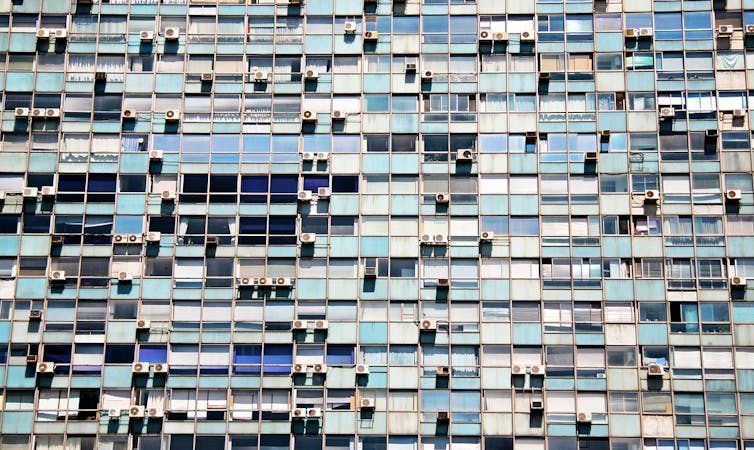
The warmer it gets, the more people crank up the air conditioning (AC). In fact, AC is booming in nations across the world: it’s predicted that around two thirds of the world’s households could have an air conditioner by 2050, and the demand for energy to cool buildings will triple.
But unless the energy comes from renewable sources, all that added demand will generate more greenhouse gas emissions, which contribute to global warming – and of course, to hotter summers. It’s a vicious cycle – but buildings can be designed to keep the heat out, without contributing to climate change.
1. Windows and shading
Opening windows is a common way people try to cool buildings – but air inside will be just as hot as outside. In fact, the simplest way to keep the heat out is with good insulation and well-positioned windows. Since the sun is high in summer, external horizontal shading such as overhangs and louvres are really effective.
Sometimes it’s better to shut out the heat. Shutterstock.
East and west facing windows are more difficult to shade. Blinds and curtains are not great as they block the view and daylight, and if they are positioned inside the window, the heat actually enters the building. For this reason, external shutters – like those often seen on old buildings in France and Italy – are preferable.
2. Paints and glazes
It’s now common for roofs to be painted with special pigments that are designed to reflect solar radiation – not just in the visible range of light, but also the infrared spectrum. These can reduce surface temperatures by more than 10°C, compared to conventional paint. High performance solar glazing on windows also help, with coatings that are “spectrally selective”, which means they keep the sun’s heat outside but let daylight in.
There’s also photochromic glazing, that changes transparency depending on the intensity of the light (like some sunglasses) and thermochromic glazing, that becomes darker when it is hot, which can also help. Even thermochromic paints, which absorb light and heat when it’s cold, and reflect it when it’s hot, are being developed.
3. Building materials
Buildings which are made of stone, bricks or concrete, or embedded into the ground, can feel cooler thanks to the high “thermal mass” of these materials – that is, their ability to absorb and release heat slowly, thereby smoothing temperatures over time, making daytime cooler and night time warmer. If you have ever visited a stone church in the middle of the Italian summer, you will probably have felt this cooling effect in action.
Unfortunately, modern buildings often have little thermal mass, or materials with high thermal mass are covered with plasterboard and carpets. Timber is also increasingly used in construction, and while making buildings out of timber generally has lower environmental impacts, its thermal mass is horrendous.
4. Hybrid and phase change materials
While concrete has a high thermal mass, it’s extremely energy intensive to produce: 8% to 10% of the world’s carbon dioxide (CO₂) emissions come from cement. Alternatives such as hybrid systems, composed of timber together with concrete, are increasingly being used in construction, and can help reduce environmental impacts, while also providing the desired thermal mass.
Another, more exciting solution is phase change materials (PCMs). These remarkable materials are able to store or release energy in the form of latent heat, as the material changes phase. So when it’s cold, the substance changes to solid phase (it freezes), and releases heat. When it becomes liquid again, the material absorbs heat, providing a cooling effect.
PCMs can have even greater thermal mass than stones or concrete – research has found that these materials can reduce the internal temperatures by up to 5°C. If added to a building with AC, they can reduce electricity consumption from cooling by 30%.
PCMs have been hailed as a very promising technology by researchers, and are available commercially – often in ceiling tiles and wall panels. Alas, the manufacture of PCMs is still energy intensive. But some PCMs can cause a quarter of the CO₂ emissions that others do, so choosing the correct product is key. And manufacturing processes should become more efficient over time, making PCMs increasingly worthwhile.
5. Water evaporation
Water absorbs heat and evaporates, and as it rises, it pushes cooler air downwards. This simple phenomenon has led to the development of cooling systems, which make use of water and natural ventilation to reduce the temperature indoors. Techniques used to evaporate water include using sprayers, atomizing nozzles (to create a mist), wet pads or porous materials, such as ceramic evaporators filled with water.
The water can be evaporated in towers, wind catchers or double skin walls – any feature which creates a channel where hot air and water vapour can rise, while cool air sinks. Such systems can be really effective, as long as the weather is relatively dry and the system is controlled carefully – temperatures as low as 14°C to 16°C have been reported in several buildings.
But before we get too enthusiastic about all these new technologies, let’s go back to basics. A simple way to ensure AC doesn’t contribute to global warming is to power it with renewables – in the hot weather, solar energy seems the obvious choice, but it takes money and space. The fact remains, buildings can no longer be designed without considering how they respond to heat – glass skyscrapers, for example, should become obsolete. Instead, well insulated roofs and walls are crucial in very hot weather.
Everything that uses electricity in buildings should be as energy efficient as possible. Lighting, computers, dishwashers and televisions all use electricity, and inevitably produce some heat – these should be switched off when not in use. That way, we can all keep as cool as possible, all summer long.